by Shadow Habitat | Jan 27, 2022 | Goings on at SHADOW, Local environmentalism
SHADOW Lake Nature Preserve is pleased to introduce our 2022 – 2025 Strategic Plan—Branching Out! The lush forests and abundant water of Shadow Lake area are home to an array of local wildlife, including many species of birds, amphibians, and mammals. This area is...
by Shadow Habitat | Jan 26, 2022 | Feature Articles
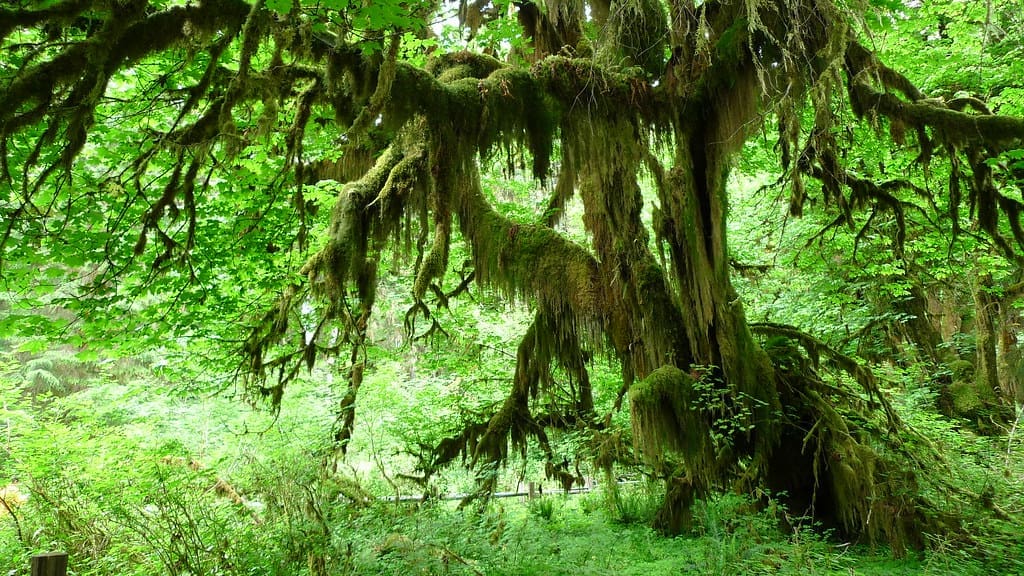
Washington State is home to many unique species and diverse habitats. In fact, nine different terrestrial ecoregions have been delineated in Washington, and that doesn’t even include marine ecosystem diversity. We’re lucky enough to find...

by Shadow Habitat | Dec 31, 2021 | Science Communications
Many people participate in new year resolutions at the beginning of the year to improve their lives but lose sight of their goals almost as soon as January ends. A new year can be like a new room; although we enter with every intention of performing a task, we may...
by Shadow Habitat | Dec 17, 2021 | Native plants
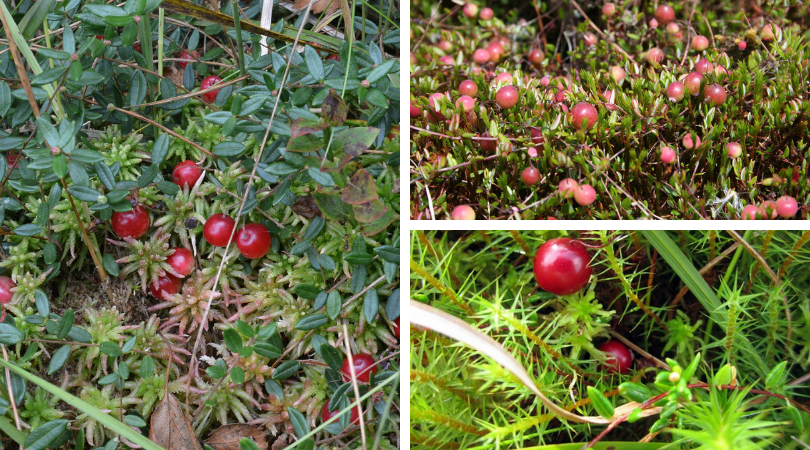
Wild cranberry (Vaccinium oxycoccos) is a low creeping perennial shrub with small evergreen leaves. The flower buds start out as deep pink, but as the buds open, the flowers become lighter in color. The flowers and berries grow in clusters at the ends of the branches...
by Shadow Habitat | Dec 10, 2021 | Feature Articles
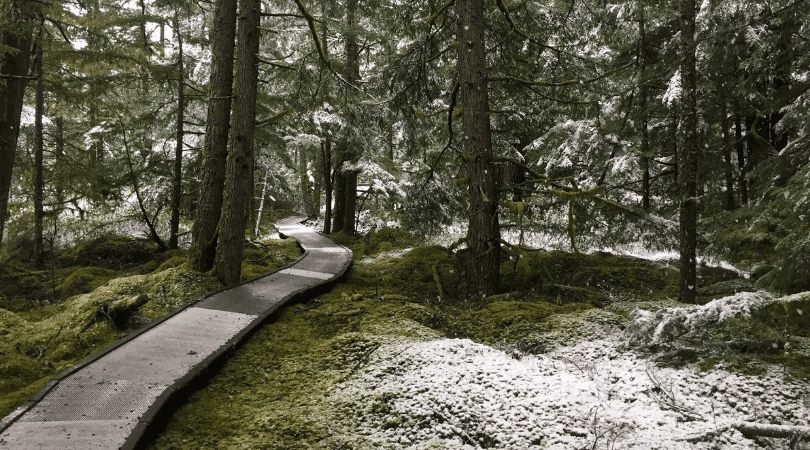
The season of holiday cheer is here! Whether you’re decorating your tree, sharing a Kwanzaa feast, dreaming of next year’s Hanukkah, or celebrating other winter solstice or cultural traditions meaningful to you, we hope the season is filled with love and...

by Shadow Habitat | Nov 17, 2021 | Science Communications
Low consumption of fruits and vegetables coupled with high sodium, saturated fat, and sugar intake contributes to development of chronic diseases, health complications, and death. In fact, a healthy diet would prevent 1 in every 5 deaths in the United States. Although...
by Shadow Habitat | Nov 17, 2021 | Native animals, Native plants
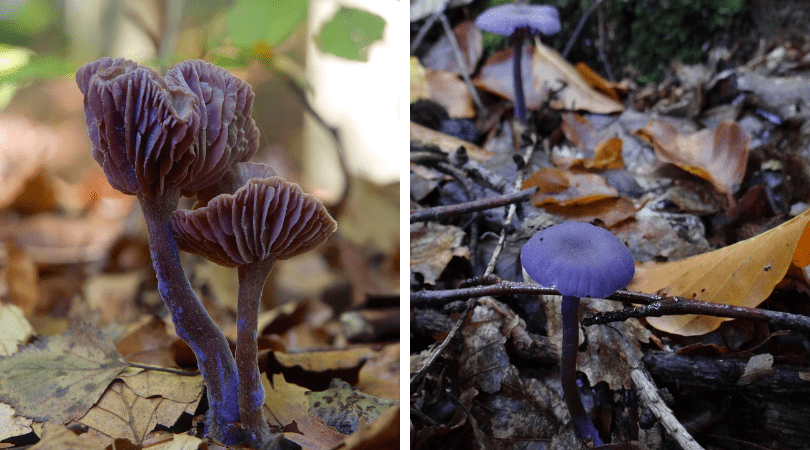
Mushrooms never cease to amaze us. Laccaria amethystin, or amethyst deceiver, is no exception. They can be found in broadleaved and coniferous woodlands among the leaf litter in the Pacific Northwest between late summer and autumn. The caps of this striking purple...
by Shadow Habitat | Nov 17, 2021 | Feature Articles
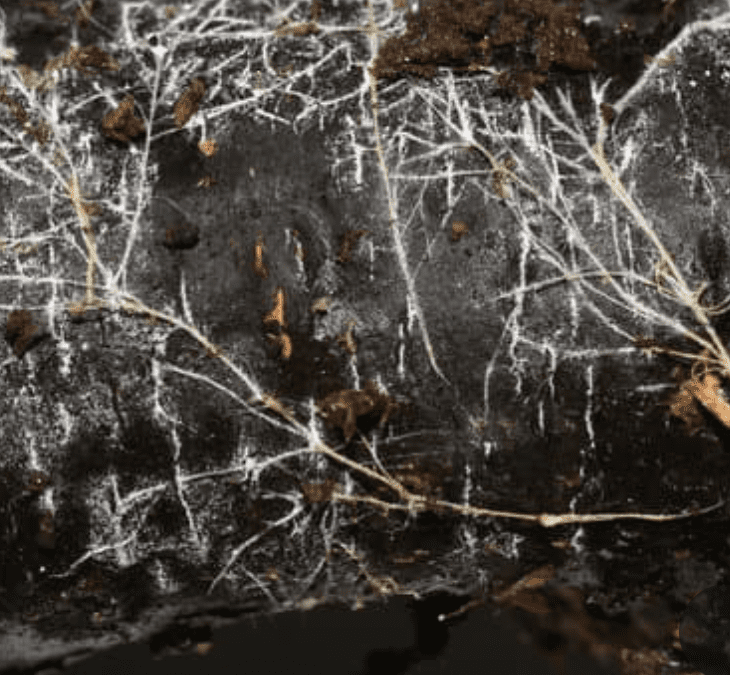
When you think of fungi, you may think of the incredibly diverse fruiting bodies we see above ground, but there is a whole network of fungal threads underneath the forest floor! This network of fungal threads, known as mycelium, intertwine with tree roots...
by Shadow Habitat | Oct 31, 2021 | Feature Articles
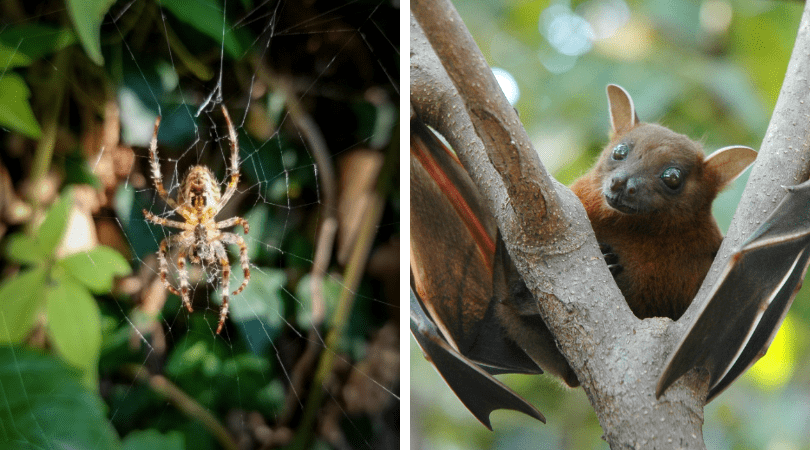
At SHADOW Lake Nature Preserve, we seek to understand and appreciate the value of all living things and their habitats. In the spooky spirit of this month, we are excited to celebrate some of the more creepy and...
by Shadow Habitat | Oct 30, 2021 | Science Communications
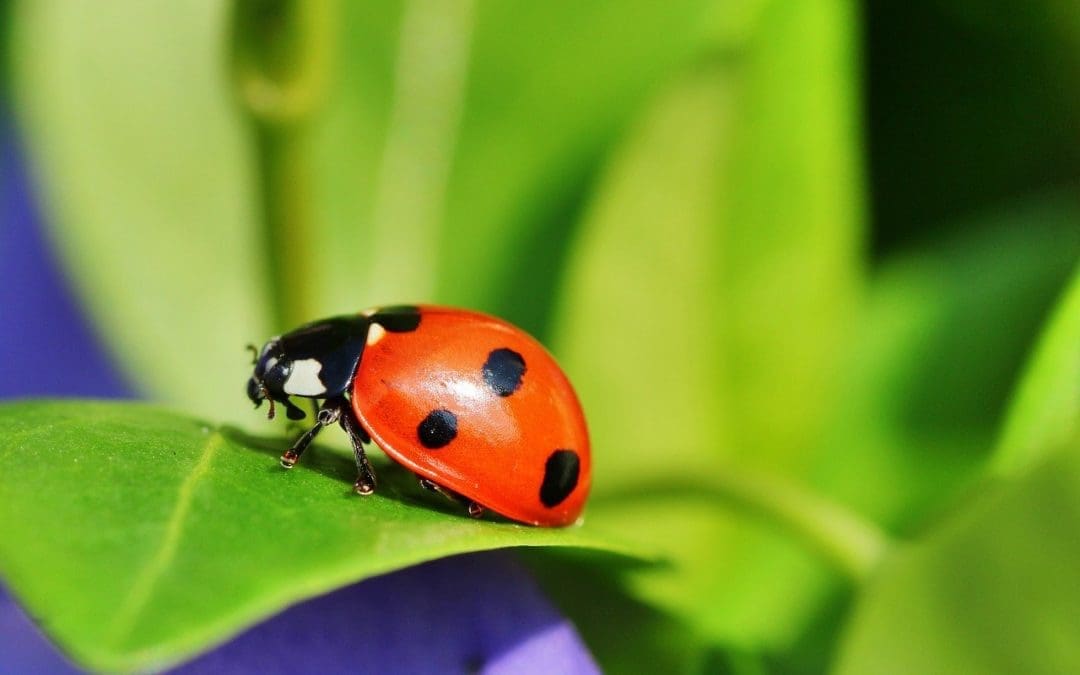
Many animals use color to determine whether food is nutritional or poisonous. A ladybug’s red color, for example, shows birds that she is toxic to eat. This evolutionary trait is called aposematism. It has been heavily studied that when birds and other animals...

Recent Comments