
by Shadow Habitat | Dec 12, 2020 | Science Communications
As marine mammals, harp seals have developed strategies to survive changes in resource availability, but if essentials to live are made even less available due to climate change, it is not certain if these earless creatures will be able to cope. Seals use seasonal ice...
by Shadow Habitat | Nov 12, 2020 | Native animals
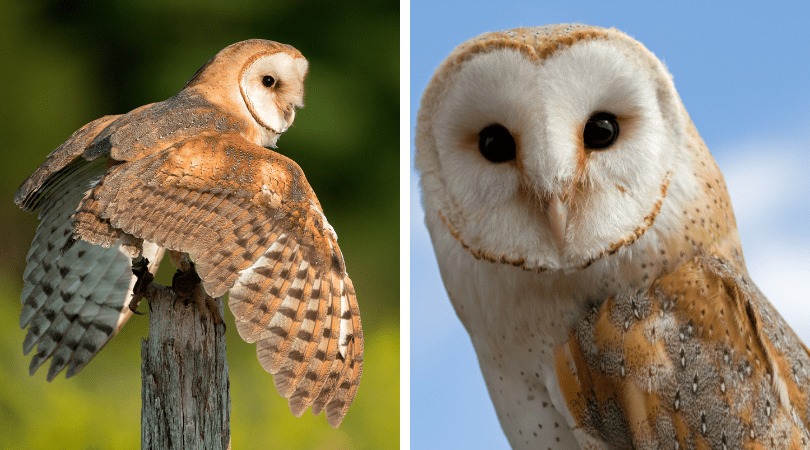
Barn Owl – Tyto albaBarn owls can be found in most of the lower 48 states, parts of southern Canada, and around the globe. These owls are non-migratory and reside near grasslands, marshes, deserts, forests, the open plains, and even in busy cities. They nest in...
by Shadow Habitat | Nov 12, 2020 | Feature Articles
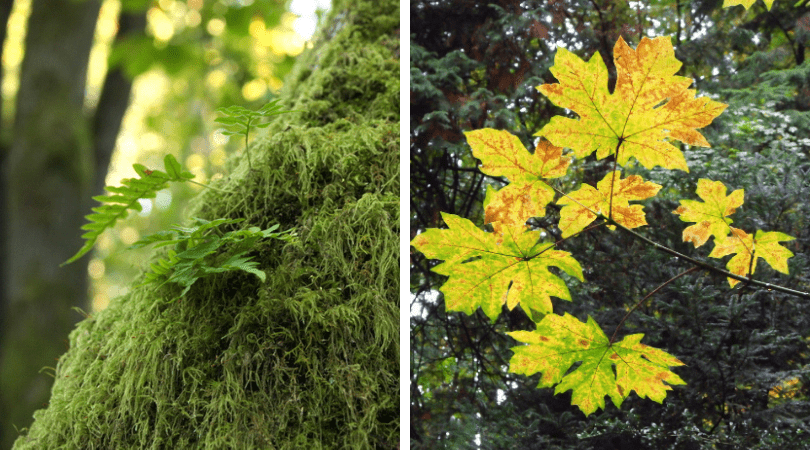
Gardeners, horticulturists, botanists, nature lovers have different definitions of which plants are considered native, invasive, and noxious, but there exist some general conclusions about which flora belong where. One aspect of a native plant is that it...
by Shadow Habitat | Nov 10, 2020 | Native animals, Science Communications
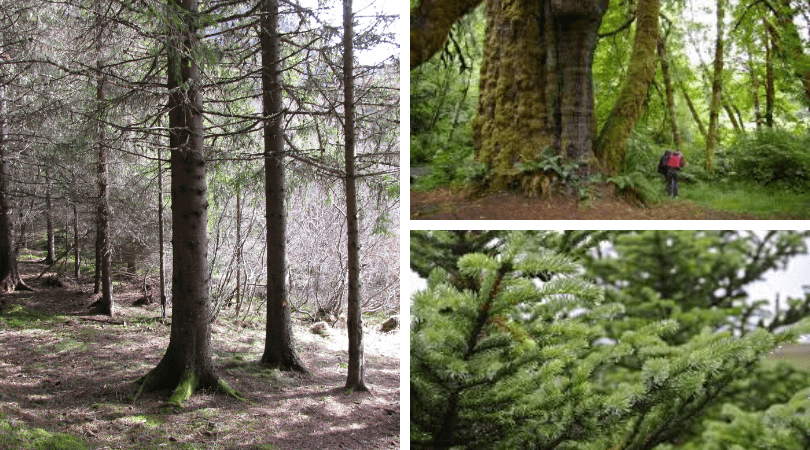
The Pacific Northwest supports biodiverse and rich ecosystems, but without a unique group of fish these habitats would not be the same. Over 137 species rely on the lifecycle of mighty Pacific salmon. Each of the...
by Shadow Habitat | Oct 23, 2020 | Goings on at SHADOW
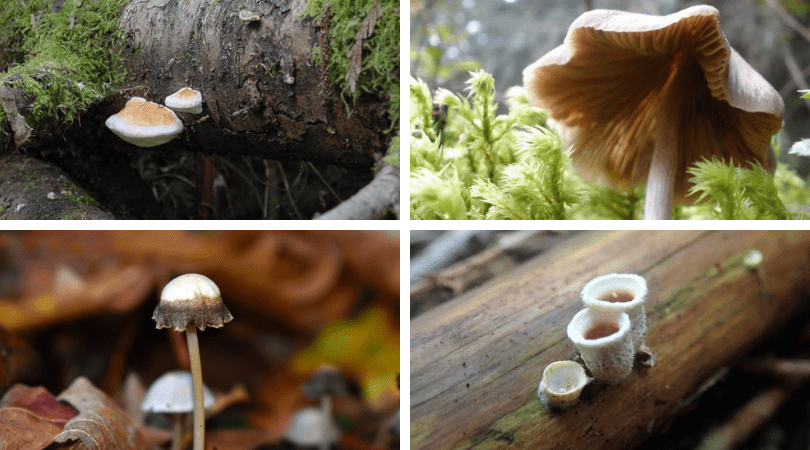
How can mushrooms help restore the forest at SHADOW Lake Nature Preserve? The Pacific Northwest is a great place to enjoy beautiful and varied fruiting bodies of fungi, or mushrooms, scattered about the mossy forest floor. What many people don’t know is that...
by Shadow Habitat | Oct 23, 2020 | Science Communications
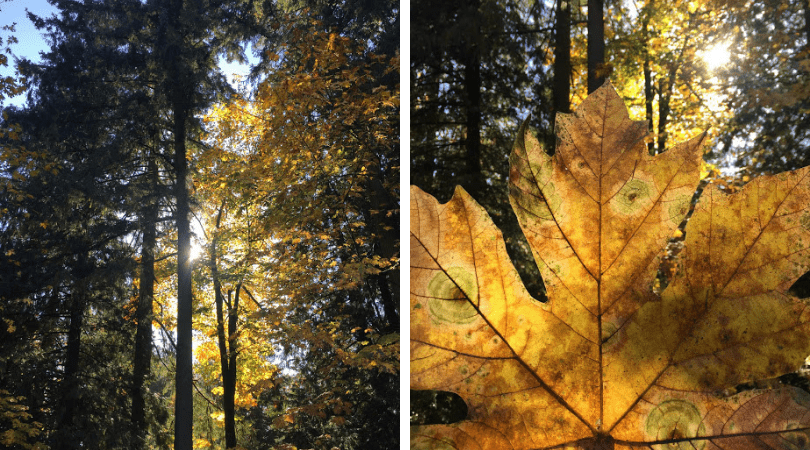
As temperatures begin to cool and the days get shorter, leaves on deciduous trees begin to change colors. But why? There are several hypotheses for this phenomenon, but it is likely a chemical reaction that is triggered by the amount of daylight the plant is receiving...
by Shadow Habitat | Oct 23, 2020 | Native animals, Native plants
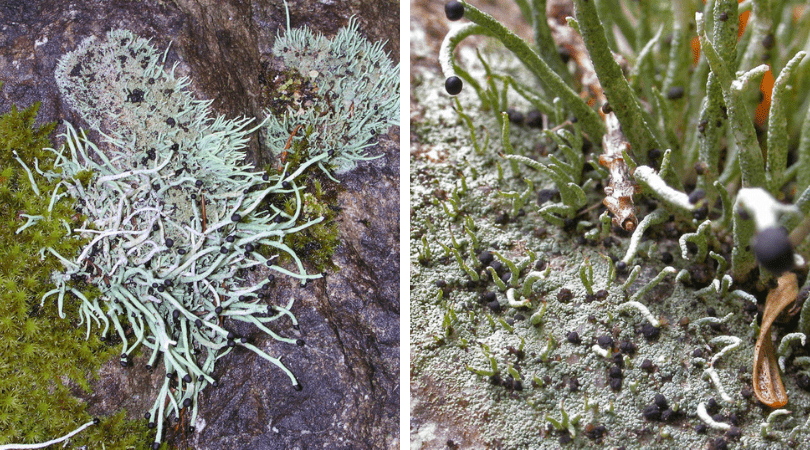
Devil’s matchstick – Pilophorus acicularisPilophorus acicularis is a part of the Cladoniaceae (lichenized fungi) family. It is found in cool moist forest locations at all elevation levels but is more common near waterfalls at lower elevations. It has been...

by Shadow Habitat | Sep 14, 2020 | Science Communications
The world is replete with people who want to improve the ecological integrity of our environment, but how can we achieve that? There are many areas of concern like air pollution, conservation of natural resources and habitat, food distribution and waste; the list goes...
by Shadow Habitat | Sep 14, 2020 | Feature Articles
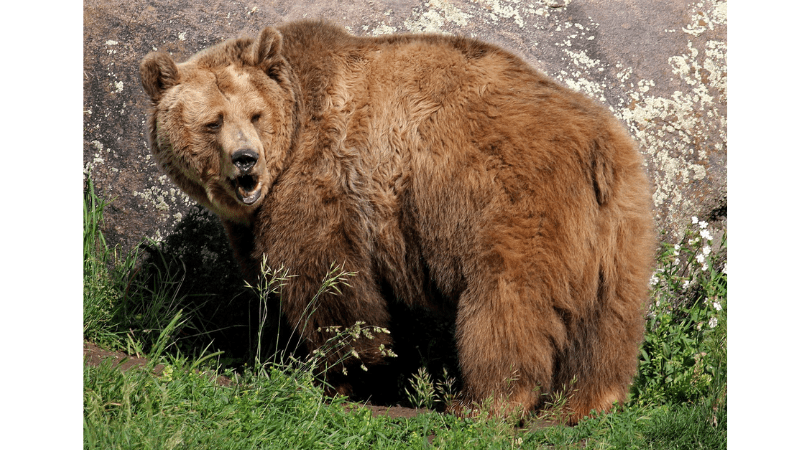
Living in rural parts of Washington state often means that some of your neighbors are local wildlife like raccoons, coyotes, and bears. Being in and around wildlife habitat results in frequent human-wildlife interactions and sometimes these...
by Shadow Habitat | Aug 25, 2020 | Science Communications
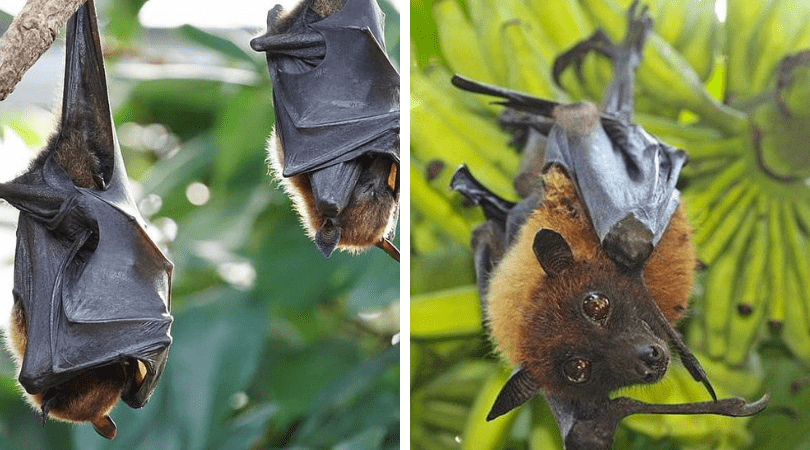
At night, bats take over as pollinators and some plants rely on them to reproduce, but we don’t know everything about them. It may be commonly said that they carry rabies, but how many actually do? In a study by Jesse Bonwitt, Hanna Oltean, Misty Lang, Rochelle...

Recent Comments