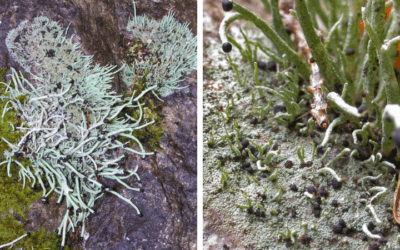
Native of the Month: Devil’s matchstick
Devil's matchstick - Pilophorus acicularisPilophorus acicularis is a part of the Cladoniaceae (lichenized fungi) family. It is found in cool moist forest locations at all elevation levels but is more common near waterfalls at lower elevations. It has been reported...
Effectiveness of Plastic Reducing Actions
The world is replete with people who want to improve the ecological integrity of our environment, but how can we achieve that? There are many areas of concern like air pollution, conservation of natural resources and habitat, food distribution and waste; the list goes...
Living with Wildlife
Living in rural parts of Washington state often means that some of your neighbors are local wildlife like raccoons, coyotes, and bears. Being in and around wildlife habitat results in frequent human-wildlife interactions and sometimes these...
Bat Research
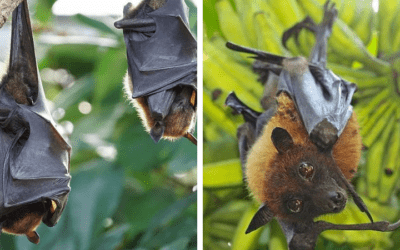
At night, bats take over as pollinators and some plants rely on them to reproduce, but we don't know everything about them. It may be commonly said that they carry rabies, but how many actually do? In a study by Jesse Bonwitt, Hanna Oltean, Misty Lang, Rochelle M....
Native of the Month: Deer fern
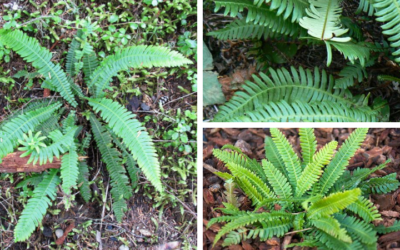
Dear fern - Blechnum spicantThe deer fern or Blechnum spicant (Greek for "spiked fern") can be found in Europe, Japan, Northern Asia, and in the western part of the United States. In the U.S., it is commonly found from southern Alaska to California mostly distributed...
Sustainable Hiking Practices
Outdoor ethics constantly evolves with emerging research, but many basic principles for trail use remain the same. We ask that you follow these simple guidelines to the best of your abilities when visiting SHADOW Lake Nature Preserve and other outdoor spaces. One less...
Owl Nests
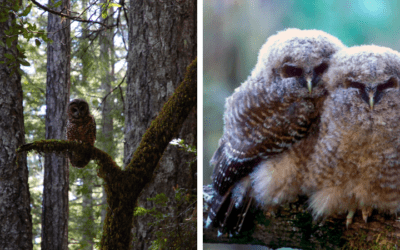
While looking up into a tree, it's nice to imagine that squirrels or birds call it their home, but where do animals truly nest? Individuals from Washington, Oregon, and even northern California have reported northern spotted owl (NSO) nest sightings in old-growth...
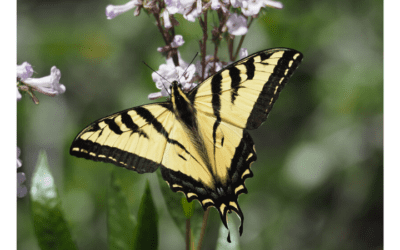
Native of the Month: Western tiger swallowtail
Western Tiger Swallowtail - Papilio rutulusThe western tiger swallowtail, a common butterfly, gets its name from its vibrant black and yellow wings that resemble tiger stripes. This species is found all the way from British...
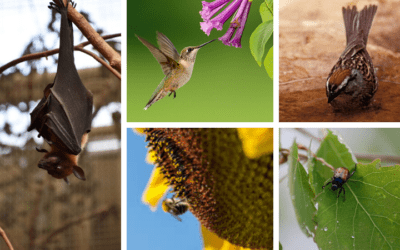
Pollinators: a flowering plant’s best friend
Pollinators play an important role in the success of our native plants around the world. It has been estimated that on average 85% of all flowering plants on the earth need help with pollination. Pollinators contribute their services to over 180,000 different plant...
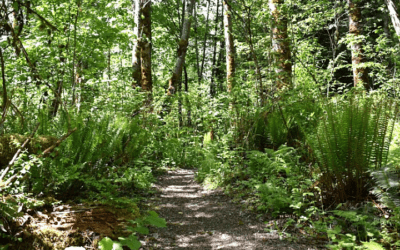
SHADOW’s Mission Makeover
After much consideration and thoughtful discussions, we are so delighted to announce that SHADOW Lake Nature Preserve has a new mission! Our Mission: SHADOW Lake Nature Preserve acquires and restores critical lands to permanently protect and steward dwindling...
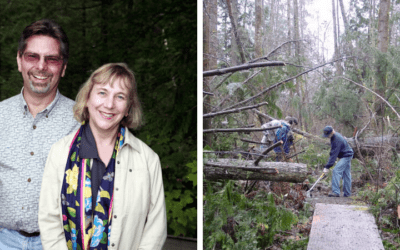
Protecting and Preserving since 1995
SHADOW (Save Habitat And Diversity of Wetlands) started out with just two individuals, Max and Erin Prinsen, determined to make a difference in their community. In 1995, Max and Erin purchased a 18.5-acre forested lot next to their home that was being used as an...
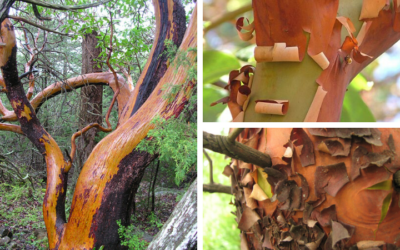
Native Plant of the Month: Pacific madrone
Pacific madrone - Arbutus menziesiiAlthough the madrone looks foreign to Washington, it is actually endemic to the Pacific Northwest. Its twisting branches, vibrant red bark, glossy leaves, and fragrant flower clusters are hard to miss. People along the west coast of...
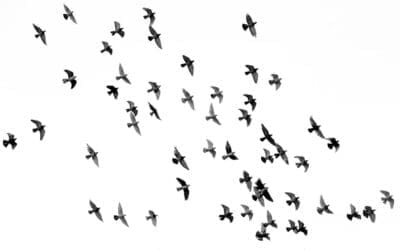
For the Birds
During the month of May, SHADOW Lake Nature Preserve celebrates Washington's native birds. Bird populations, like many other wildlife species, have been greatly influenced by human-related disturbance including habitat loss and pesticide use. From 50 years of data...
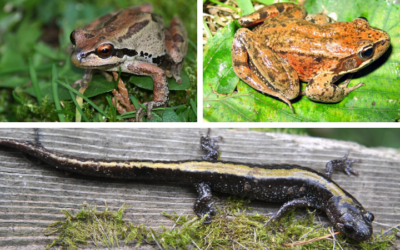
Amazing Amphibians
It is no secret that here at SHADOW Lake Nature Preserve we love wildlife, including our amphibian friends. As both predators and prey, amphibians are critical to their habits which is one of the many reasons why we love seeing them around the Nature Preserve....
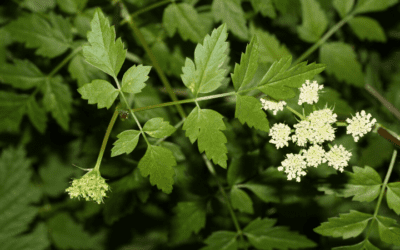
Native Plant of the Month: Pacific water parsley
Pacific water parsley - Oeanthe sarmentosaAlong SHADOW's boardwalk trail you may find a creeping herb that closely resembles your typical grocery store parsley. However, the parsley found in the bog, Pacific water parsley (Oeanthe sarmentosa), is not the tasty...
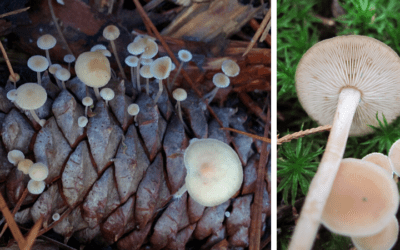
Native “Plant” (Fungi) of the Month: Conifercone cap
Conifercone Cap - Baeospora myosuraMushrooms are not plants, but we wanted to feature one of numerous special fungi found at SHADOW. The conifercone cap, or Baeospora myosura, grows widely across North America. They produce coarse,...
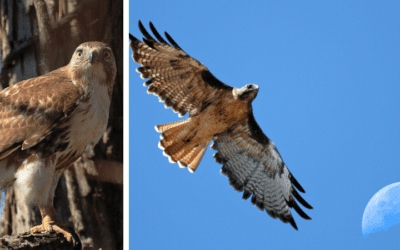
Native Animal of the Month: Red-tailed hawk
Red-tailed hawk -Buteo jamaicensisThe red-tailed hawk is a beautiful raptor species. Because of its distinct red tail, it is easily identified by even the most novice birder. Although the red tail of the red-tailed hawk is easy to spot, the rest of...
Double Your Impact for SHADOW
Don't miss your opportunity to DOUBLE YOUR IMPACT this holiday season. SHADOW Lake Nature Preserve kicked off the End of Year Campaign last week and thanks to a generous donor, all donations received from now until the end of the year will be matched! Your...
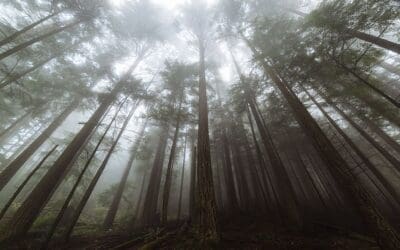
Significance of Shadow Lake Bog
If you have ever visited SHADOW Lake Nature Preserve, chances are that you've probably seen the Shadow Lake Bog. As you may know, a bog is a wetland habitat that is characterized by spongy ground that consists of partially decaying plant debris called peat. Behind the...

The Worth of Our Water and Wetlands
What do wetlands give us? Why keep them around? Among other benefits, wetlands improve our water quality in many different ways. Healthy wetlands store and filter nutrients, sediments, pollutants, metals, harmful bacteria, and acids preventing them from entering our...
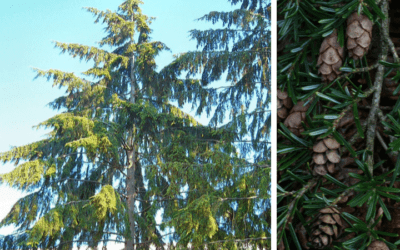
Native Plant of the Month: Western hemlock
Western Hemlock - Tsuga heterophyllaIn 1947 the western hemlock, or Tsuga heterophylla, was selected as the official state tree of Washington because of the significant role it played in Washington's forest industry. The western hemlock is one the many evergreen trees...